Wholesale prices fell across the NEM, but not every business will feel it
Every NEM region paid less for wholesale power in 2025, helped by a battery fleet that nearly tripled in a year. Whether that reaches your bill depends on when you actually use energy.
- Every region of the National Electricity Market ended 2025 paying less for wholesale power than the year before, with Queensland improving the most.
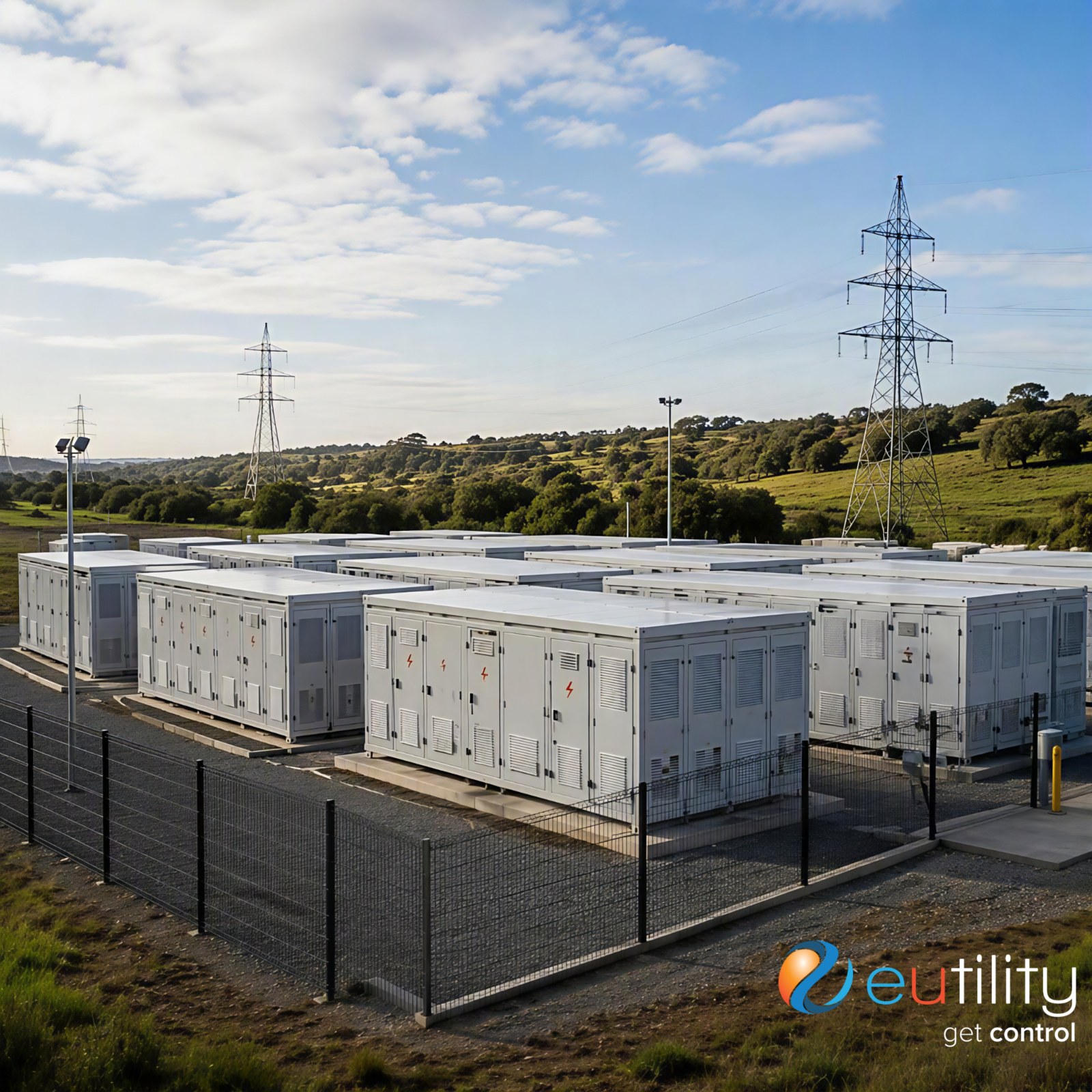
- Grid-scale battery capacity grew from 2.2 GW to 6.1 GW in a single year, concentrated in the evening hours when demand peaks and rooftop solar drops away.
- Average prices fell, but evening and overnight periods remain under pressure, so the benefit depends heavily on when a site consumes energy.
- A cheaper wholesale market is not the same as a cheaper bill: contracts, retailer hedging and market timing all sit in between.
Every region of the National Electricity Market ended 2025 paying less for wholesale power than the year before, according to the Australian Energy Regulator’s latest review of how the market performed. Queensland saw the biggest improvement.
Storage is doing much of the work
A big part of the reason is storage. Australia’s grid-scale battery fleet grew from 2.2 GW to 6.1 GW in a single year, and most of that new capacity earns its keep in the same few hours each evening, exactly when demand climbs and rooftop solar drops away.
So who actually benefits?
That depends on when electricity is used. While average wholesale prices have fallen, evening and overnight periods remain under pressure. A business able to shift more of its energy use into solar-rich daytime hours may face a very different pricing environment to one that relies heavily on evening consumption.
A manufacturer running extended shifts, a hospital or a hotel may experience very different pricing outcomes to a business that shuts its doors at five.
A cheaper market is not a cheaper bill
A cheaper wholesale market is not the same thing as a cheaper bill next quarter. Existing contracts, retailer hedging strategies and market timing all influence how and when wholesale movements flow through to customers. The AER itself has noted that changes in wholesale prices do not reach retail bills immediately or dollar-for-dollar.
Two sites facing the same market conditions can see very different outcomes depending on their operating hours, load profile and existing contract position.
What to do about it
If a contract is coming up for renewal in the next six to twelve months, it is worth testing where a specific site actually sits against this trend. The opportunity is not the same for every organisation.
That is why we are seeing more organisations move beyond market averages and assess how their own energy profile aligns with today’s pricing dynamics before entering the market.
Keep reading
Where does your site actually sit against this trend?
If a contract is up for renewal in the next six to twelve months, we can test your own load profile against current pricing dynamics before you go to market. Email customerservice@eutility.com.au to arrange a review.