Mid-scale solar up to 1 MW can now create STCs: what to revisit
The SRES now covers solar systems from 100 kW to 1 MW installed on or after 1 October 2026. Shelved projects and sites capped at 99 kW are worth a fresh look, but certificate strategy needs settling first.
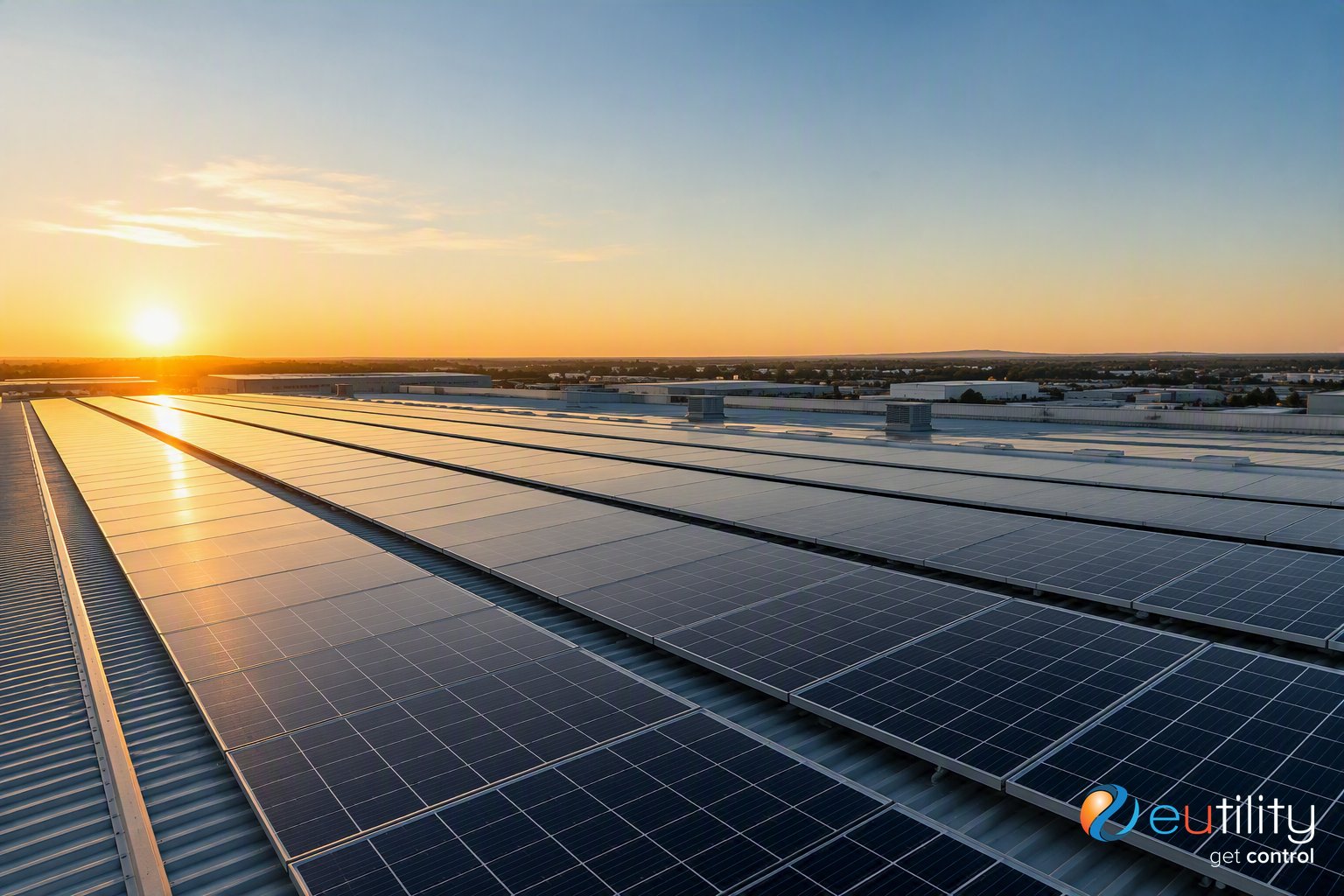
- The Small-scale Renewable Energy Scheme now covers solar systems from 100 kW to 1 MW installed on or after 1 October 2026, and the regulations are final.
- The deeming period for mid-scale systems is fixed at five years, unlike systems under 100 kW, where it continues to reduce annually toward the scheme’s 2030 end.
- Choosing STCs can rule out creating LGCs or REGO certificates for those five years, so certificate strategy should be settled before a vendor locks it into a quote.
- Projects previously assessed as marginal, and sites deliberately capped at 99 kW, are the two clearest candidates for a fresh look.
Australia’s Small-scale Renewable Energy Scheme (SRES) now covers solar systems up to 1 MW, and the regulations are final. For businesses that previously ruled out commercial solar, or were forced to cap installations at 99 kW, it may be time to revisit the numbers.
Solar PV systems sized between 100 kW and 1 MW that are installed on or after 1 October 2026 can now create small-scale technology certificates (STCs).
Two details in the final settings stand out
- The deeming period is fixed at five years for mid-scale systems. By contrast, the deeming period for systems under 100 kW continues to reduce annually as the scheme approaches its scheduled end in 2030.
- There are multiple certificate pathways. Depending on their objectives, mid-scale projects may be eligible for STCs through the SRES, LGCs under the Large-scale Renewable Energy Target (LRET), or certificates through the Renewable Electricity Guarantee of Origin (REGO) scheme.
You do not need to wait to install
The Clean Energy Regulator expects to begin accepting STC applications for eligible mid-scale systems from mid to late November. Businesses do not need to delay installation until then.
What we recommend reviewing now
- Previously rejected projects. Many solar feasibility studies were completed under very different incentive settings, electricity tariffs and equipment costs. Projects that were once marginal may now stack up.
- Sites with existing 99 kW systems. Many businesses deliberately limited system size to remain under the previous threshold. Larger systems may now be commercially viable, although further CER guidance on upgrades and extensions is still to come.
- Solar and battery economics together. A larger solar installation can materially change the battery storage business case by increasing the amount of excess generation available for charging.
- Certificate strategy. Choosing STCs can rule out creating LGCs or REGO certificates for the five-year deeming period. That choice affects project economics and the renewable energy claims your organisation can make, so it should be made before a vendor locks it into a quote.
Expect the proposals to arrive quickly
More vendor proposals are likely over the coming weeks. System size, energy consumption patterns, export constraints, network approvals and certificate strategy will determine whether a project delivers the forecast savings.
A proposal that looks strong on paper can still underdeliver if it was sized against assumed consumption rather than how the site actually uses energy.
Eutility provides independent, vendor-neutral advice on solar and battery feasibility, business cases, certificate pathways and procurement. We help organisations test proposed solutions against real site data, rather than relying solely on vendor assumptions.
Keep reading
Worth revisiting a project you already ruled out?
We test proposed solar and battery solutions against how your sites actually use energy, and model the certificate pathways before anyone locks one into a quote. Email customerservice@eutility.com.au to arrange an independent review.